
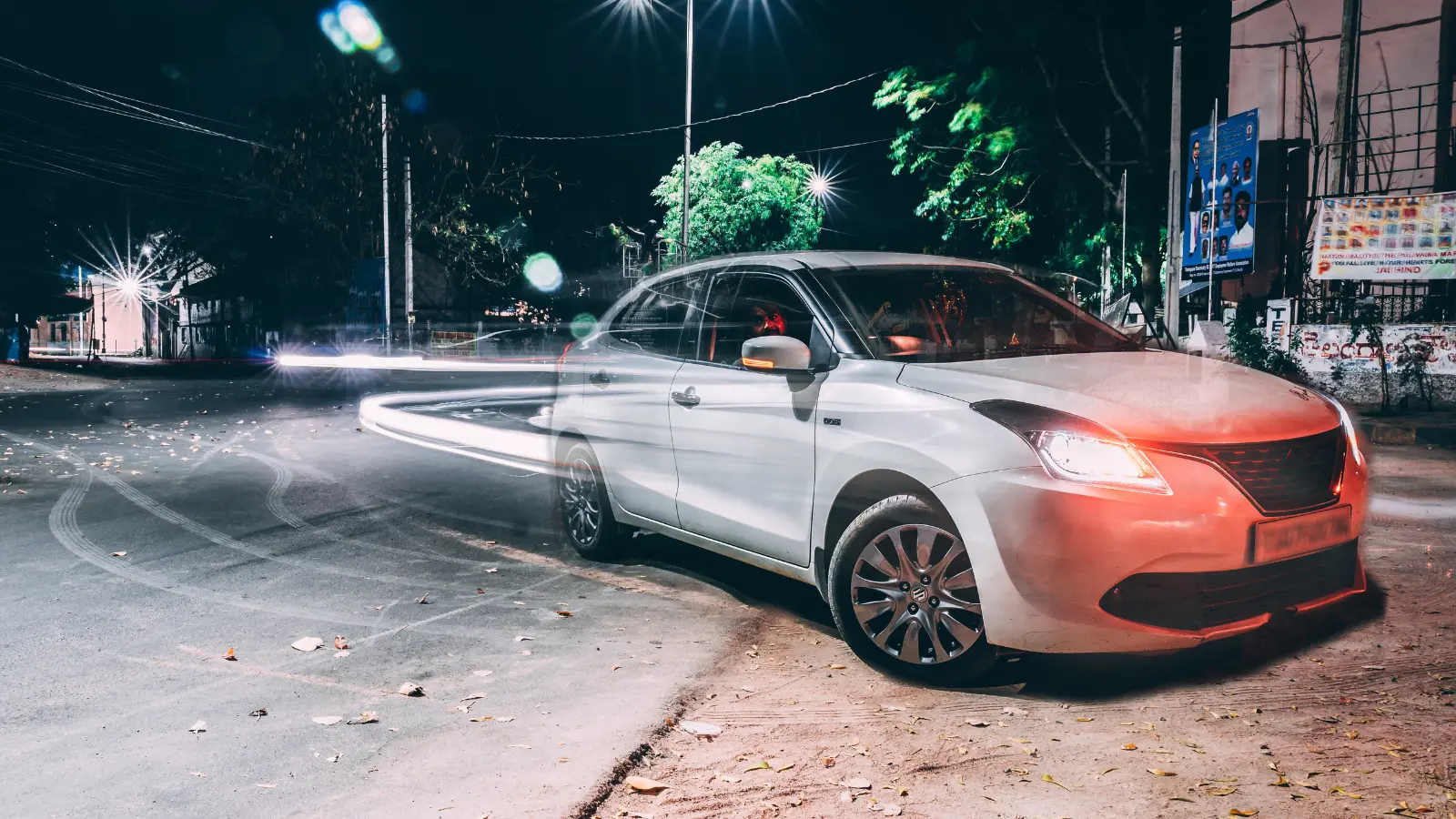
October in Ottawa can feel like two seasons at once. One week you’re driving past colourful trees; the next you’re scraping frost off the windshield before work. If you’re shopping for a used car now, winter readiness deserves a place alongside mileage, price and monthly payment.
A vehicle can look spotless in a listing and still need tires, a battery or maintenance before the first major snowfall. Here’s how to look past the photos and ask the questions that matter for an Ottawa winter.
Start With the Tires, Not the AWD Badge
All-wheel drive can help a vehicle get moving on slippery roads, but it does not replace winter tires for braking and cornering. A front-wheel-drive vehicle on suitable winter tires may be a better winter choice than an AWD vehicle on worn all-seasons.
Check the tire sidewall for the three-peaked mountain and snowflake symbol, which identifies tires meeting a defined snow-traction standard. Ask how old the tires are, how much tread remains and whether a second set of wheels is included. Don’t assume that ‘comes with winter tires’ means those tires have another full season of useful life.
Cold Weather Exposes Battery and Heating Problems
Cold temperatures reduce a battery’s available power just when the engine needs more energy to start. Ask whether the battery has been tested recently, especially on an older used vehicle. A slow crank or warning light deserves attention before you buy.
During a test drive, try the heater, front and rear defrosters, heated mirrors if equipped, windshield washer spray and every fan setting. These are everyday necessities during freezing rain, slush and foggy Ottawa commutes, not just comfort features.
Look Underneath for Rust and Road-Salt Wear
Ottawa roads are treated through winter, and salt and moisture can accelerate corrosion. Surface rust on some exposed components is not unusual, but extensive corrosion on structural areas, brake lines or suspension mounting points deserves professional attention.
Ask for an independent pre-purchase inspection that includes the underbody, brakes, suspension and exhaust. A valid Ontario safety standards certificate is not the same as a comprehensive assessment of long-term condition, and it does not guarantee that a vehicle is trouble-free.
Think About Your Actual Winter Commute
A compact sedan may be entirely practical for plowed city streets, while a driver regularly using rural roads or steep, unplowed driveways may prioritize different ground clearance and traction features. Your best vehicle depends on where you drive, not simply on whether a model is marketed as an SUV.
Consider visibility, headlight performance, cargo room for winter gear, fuel use and insurance costs. If you park outdoors, remote start or heated seats may be nice extras, but reliable starting, effective defrosting and good tires should come first.
What to Ask Before You Buy
1. Are winter tires included, and what is their condition?
2. Has the battery been tested, and is the service history available?
3. Can I arrange an independent inspection, including the underbody?
4. Do the heat, defrosters, wipers and washer system work properly?
5. What is the full purchase price, and which items are optional?
How AutosOnline Fits Into the Winter Buying Process
A winter-ready purchase starts with clear information, not pressure. AutosOnline’s one-price, no-haggle approach lets shoppers compare listed vehicle prices without treating negotiation as another obstacle. The same listed vehicle price applies whether a buyer pays cash or finances, including when financing is arranged through a prime or non-prime lender.
Ask about the condition and equipment of any vehicle you’re considering, and budget separately for winter tires or maintenance if they are needed. Transparent pricing makes that overall winter budget easier to plan, but it should always go hand in hand with checking the vehicle itself.
The Bottom Line
Ottawa winter is easier to handle when you choose a vehicle for its actual condition and your real driving needs. Before signing, confirm the tires, battery, visibility systems and underbody condition, and get an independent inspection when appropriate. A little diligence in October can prevent an expensive surprise in January.
Shopping for a used car before the snow arrives?
Browse current inventory
Get pre-approved for financing.
Compare your options and ask the winter-readiness questions before you commit.